
Best Order to Watch the MCU for Beginners
The best order to watch the MCU as a beginner starts with Captain America: The First Avenger and follows the 45 titles below, which keep the main story and drop the side trips.
 Captain America: The First Avenger
★ 7.0
Essential
#3
Film
 Captain Marvel
★ 6.8
Essential
#4
Film
 Iron Man
★ 7.7
Essential
#5
Film
 Iron Man 2
★ 6.9
Recommended
#7
Film
 Thor
★ 6.8
Recommended
#8
Film
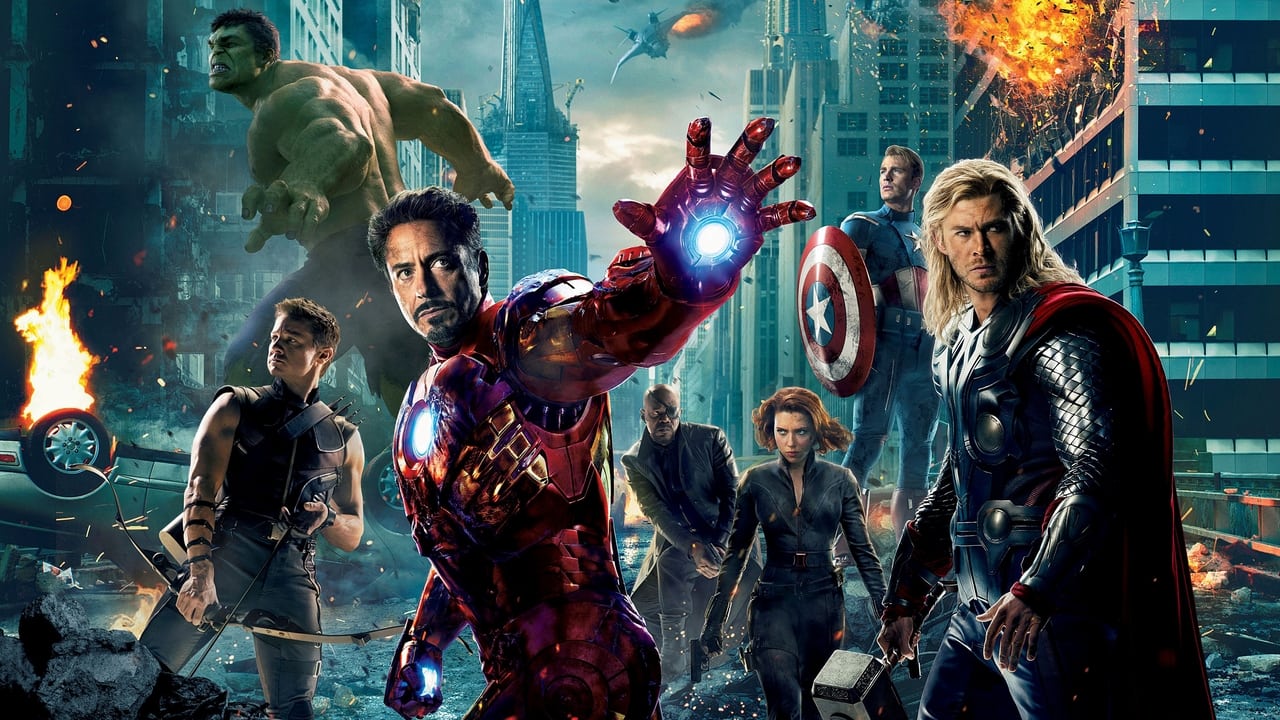
 The Avengers
★ 8.1
Essential
#10
Film
 Iron Man 3
★ 6.9
Recommended
#11
Film
 Thor: The Dark World
★ 6.5
Recommended
#12
Film
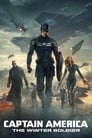 Captain America: The Winter Soldier
★ 7.7
Essential
#13
Film
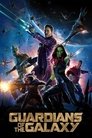 Guardians of the Galaxy
★ 7.9
Essential
#15
Film
 Guardians of the Galaxy Vol. 2
★ 7.6
Recommended
#16
Film
 Avengers: Age of Ultron
★ 7.3
Essential
#17
Film
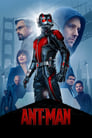 Ant-Man
★ 7.1
Recommended
#18
Series
 Marvel's Daredevil
★ 8.2
Recommended
#22
Series
 Marvel's The Defenders
★ 7.0
Recommended
#24
Film
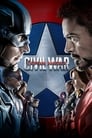 Captain America: Civil War
★ 7.5
Essential
#26
Film
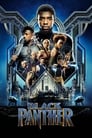 Black Panther
★ 7.4
Essential
#27
Film
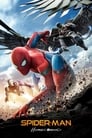 Spider-Man: Homecoming
★ 7.3
Recommended
#28
Film
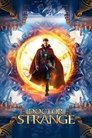 Doctor Strange
★ 7.4
Essential
#29
Film
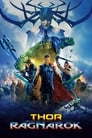 Thor: Ragnarok
★ 7.6
Essential
#33
Film
 Ant-Man and the Wasp
★ 6.9
Recommended
#34
Film
 Avengers: Infinity War
★ 8.2
Essential
#35
Film
 Avengers: Endgame
★ 8.2
Essential
#37
Series
 Loki
★ 8.2
Essential
#39
Series
 WandaVision
★ 8.2
Essential
#40
Series
 The Falcon and the Winter Soldier
★ 7.6
Recommended
#41
Film
 Spider-Man: Far From Home
★ 7.4
Recommended
#42
Film
 Shang-Chi and the Legend of the Ten Rings
★ 7.5
Recommended
#44
Series
 Hawkeye
★ 7.8
Recommended
#45
Film
 Spider-Man: No Way Home
★ 7.9
Essential
#46
Series
 Ms. Marvel
★ 6.3
Recommended
#48
Film
 Doctor Strange in the Multiverse of Madness
★ 7.2
Essential
#52
Film
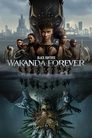 Black Panther: Wakanda Forever
★ 7.0
Recommended
#55
Film
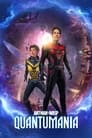 Ant-Man and the Wasp: Quantumania
★ 6.2
Essential
#57
Film
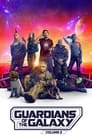 Guardians of the Galaxy Vol. 3
★ 7.9
Recommended
#58
Film
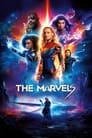 The Marvels
★ 5.9
Recommended
#60
Film
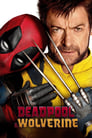 Deadpool & Wolverine
★ 7.6
Recommended
#62
Series
 Daredevil: Born Again
★ 8.2
Recommended
#63
Film
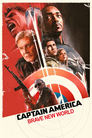 Captain America: Brave New World
★ 6.0
Recommended
#64
Film
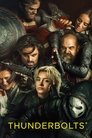 Thunderbolts*
★ 7.3
Essential
#66
Film
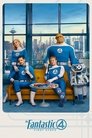 The Fantastic 4: First Steps
★ 6.9
Essential
#69
Film
 Spider-Man: Brand New Day
★ 8.5
Recommended
#70
Series
 VisionQuest
★ 8.6
Recommended
#71
Film
 Avengers: Doomsday
Essential
#72
Film
 Avengers: Secret Wars
Essential
It runs mostly in story order, with a few films placed where they make the most sense for a first-timer. You get every big payoff without wading through the whole back catalog.
How this beginner order works
The full Marvel Cinematic Universe is a very long watch once you count the series. Nobody needs all of it on a first pass. This list keeps two kinds of titles: the essentials that the main plot cannot do without, and the recommended ones that make those essentials land harder.
What gets cut is mostly standalone material. The Incredible Hulk, Black Widow, Eternals and Thor: Love and Thunder are all missing here. None of them is bad, and you can circle back later, but the story still makes sense without them.
The order follows the in-universe timeline, which is why a war movie set in the 1940s opens the list and Captain Marvel, set in the 1990s, comes second. From there it moves into Iron Man and the Phase 1 run that builds toward The Avengers.
The best order to watch the MCU, in five stages
Forty-five titles feels less daunting when you split them into chunks. Each stage ends at a natural stopping point:
| Stage | From | To | Titles |
|---|---|---|---|
| Origins | Captain America: The First Avenger | The Avengers | 6 |
| Building the team | Iron Man 3 | Ant-Man and the Wasp | 15 |
| The big finale | Avengers: Infinity War | Avengers: Endgame | 2 |
| After Endgame | Loki | Spider-Man: No Way Home | 7 |
| The Multiverse Saga | Ms. Marvel | Avengers: Secret Wars | 15 |
The middle stage is the longest stretch, but it is also where the universe gets most interesting: Guardians of the Galaxy, Black Panther, Doctor Strange and Spider-Man all join in. The last few titles of the final stage are still to come, so you will reach the end of the released list before you reach the end of the table.
Iron Man or Captain America first?
This is the question every newcomer asks. Our list opens with Captain America: The First Avenger because it is the earliest story, and it introduces the Tesseract, an object that drives the plot for years.
There is a fair case for Iron Man instead. It came out first, its tone sets the template for everything after, and a couple of Captain Marvel's surprises work better if you already know the characters. Either choice is fine; just do not let the debate stop you from pressing play.
Should I watch the MCU in chronological or release order?
Both work, and the difference is smaller than it looks. Chronological order is easier to follow, because events happen in sequence and you rarely jump backward. Release order keeps every reveal and post-credits tease in the order audiences first saw it, and some fans swear by it for a first watch.
This beginner list leans chronological, since it is the gentler path for someone who does not know the characters yet. If you would rather see the films the way they premiered, the Marvel release order is the way to go. For the full in-story timeline with every series and special included, see our MCU chronological order.
The titles that carry the most weight
A few entries on this list do more work than the rest.
Captain America: The Winter Soldier turns the series from a set of origin stories into something with real stakes. Captain America: Civil War breaks the team in a way that shapes everything through Endgame. Avengers: Infinity War and Avengers: Endgame are the two-part finale of the first saga and should be watched close together.
After Endgame, Loki and WandaVision matter more than their small-screen format suggests. Spider-Man: No Way Home and Doctor Strange in the Multiverse of Madness both lean on them.
Time commitment and pacing
Most of the films run around two hours, with the Avengers entries closer to three. At one title a night, the Infinity Saga portion alone takes about a month. Add the series and the newer films and you are looking at a project of a couple of months, not a weekend.
That is fine. Break at the natural endpoints from the table above: after The Avengers, after Endgame and after No Way Home. Each one closes a chapter, and a week off will not leave you lost. The Marvel marathon plan can turn the list into a schedule that fits your evenings.
Beginner mistakes to avoid
Turning it off when the credits start. Marvel hides teases in mid-credits and post-credits scenes, and some set up the next film directly.
Treating the Netflix shows as required. Daredevil and The Defenders are included because they connect to Daredevil: Born Again, but they are darker and much longer than the films. Watch them if street-level crime stories appeal to you; skip them if not.
Trying to binge without breaks. Watching too fast blurs the films together. A steady pace keeps the callbacks fresh without wearing you out.
Adding everything back in. Once you are hooked, it is tempting to slot the optional titles in as you go. Save them for afterward, when you know the characters and can enjoy the side stories for what they are.
When you finish this list
Finished all 45 and want more? The optional titles are waiting, and they are more fun once you know the world. Our list of essential Marvel movies and shows shows which titles you have already covered and what the labels mean, so you can pick the extras that appeal to you.
Frequently Asked Questions
What is the best order to watch the MCU for beginners?
Start with Captain America: The First Avenger and follow the story timeline, keeping the essential and recommended titles. That gives you 45 titles that cover the main plot. If you prefer to see films as they premiered, start with Iron Man and use release order instead.
Should I watch the MCU in chronological or release order?
Chronological order is easier to follow because events happen in sequence. Release order preserves surprises the way audiences first saw them. For a first watch either works, and the differences are smaller than they seem.
Where should I start watching Marvel as a beginner?
Start with Captain America: The First Avenger if you want story order, or Iron Man if you prefer release order. Both are easy entry points. The beginner list on this page uses story order and trims the optional titles so the main plot stays clear.
What MCU movies can I skip as a beginner?
The Incredible Hulk, Black Widow, Eternals and Thor: Love and Thunder are safe to skip on a first watch. They add color but are not needed to follow the main story. You can return to them once you know the characters.
Are all Marvel movies connected?
Yes, the Marvel Studios films and series share one continuity, so events in one title can affect another. How tightly they connect varies. The Avengers films pull everything together, while some solo films stand mostly on their own.
How long does it take to watch Marvel in order for beginners?
Expect a couple of months at one title a night. Most films are around two hours, the Avengers films run longer, and the series take several evenings each. Splitting the list at Endgame makes it feel more manageable.
Do I need to watch the Marvel TV shows?
Some, yes. Loki and WandaVision are worth watching because later films build on them. The Netflix series, such as Daredevil, are optional and mainly useful if you plan to watch Daredevil: Born Again.
Is Captain Marvel a good second movie for beginners?
It fits there because it is set in the 1990s, before most other stories. A few of its surprises land better if you already know characters like Nick Fury, so some viewers prefer to watch it later. Either placement works.
How many titles are in the beginner watch order?
Our beginner order has 45 titles, made up of the essential and recommended films and series. The optional side stories are left out, and you can add them after you finish.